Cycle Sync
Your thyroid is the master of your metabolism, but it’s also the remote control for your menstrual cycle. When you track hypothyroidism and your period together, you unlock the full picture of your hormonal health. Predict fatigue, understand cycle irregularities, and sync your life to your body’s true rhythm.
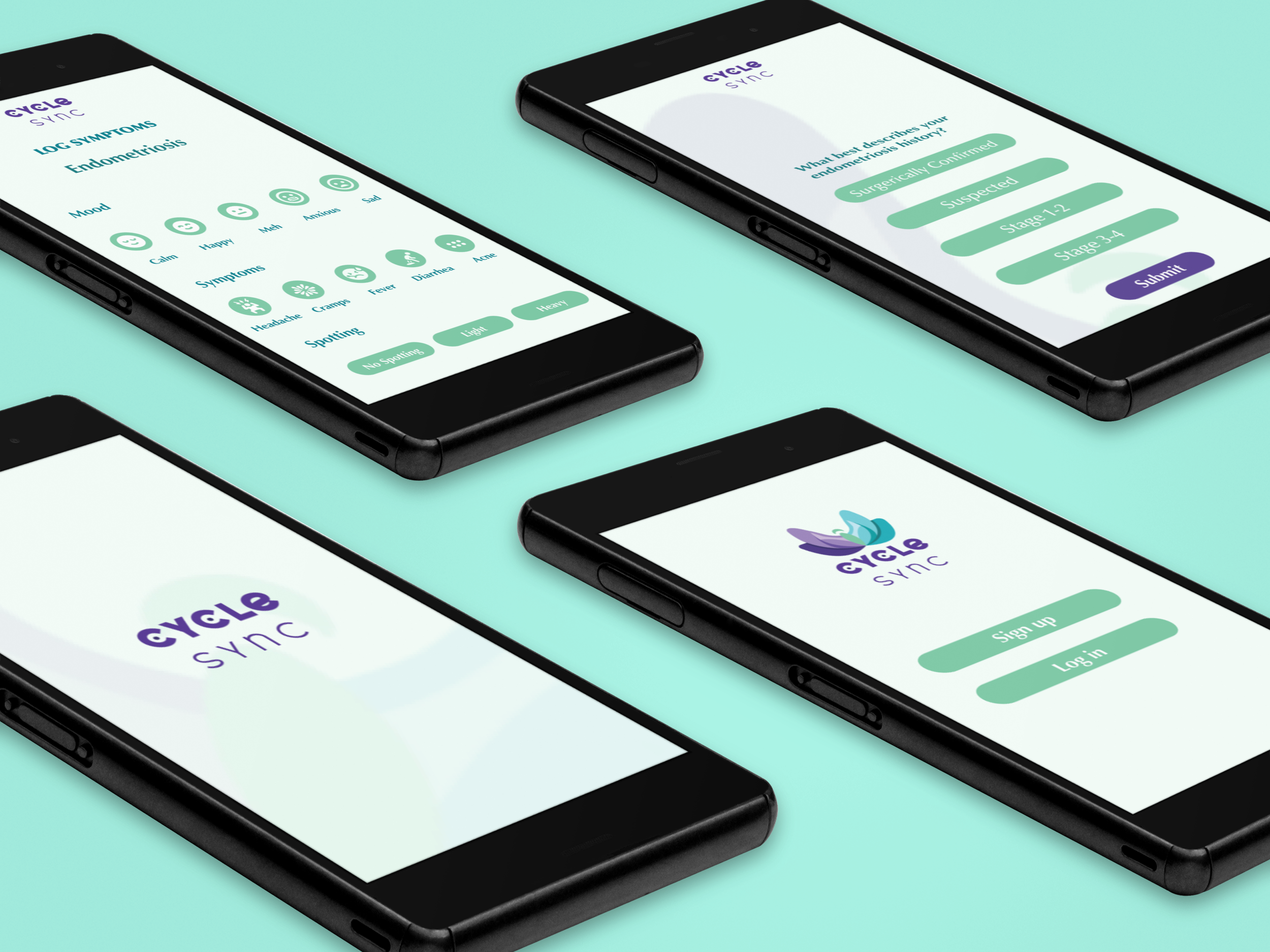
The Why?
Studies show that women with surgically diagnosed endometriosis are over six times more likely to suffer from hypothyroidism (specifically autoimmune Hashimoto’s thyroiditis) compared to the general population. (Endo-App)
The Science: Researchers have found a shared genetic and immune pathway between the two conditions. Both diseases are driven by a specific dysregulation in pro-inflammatory immune signals (specifically IL-18 and IFN-γcytokines), meaning they are often two different expressions of the exact same immune system glitch.
(Braverman IVF & Reproduction)
Research published in the Proceedings of the National Academy of Sciences (PNAS) discovered that ectopic endometrial cells (the tissue outside the uterus) actually express TSH receptors. (SciELO)
The Science: When a woman's thyroid is underactive and her Thyroid-Stimulating Hormone (TSH) spikes, that excess TSH acts as a direct "proliferative and pro-oxidative" signal. High TSH levels literally stimulate the growth, size, and cellular division of endometriosis lesions and increase pelvic oxidative stress. (PNAS+ 1)
women with endometriosis showed a
prevalence rate of hypothyroidism compared to just
in the general population—a more than six-fold increase.
1.5%
9.6%
Standard laboratory "normal" ranges for Thyroid-Stimulating Hormone (TSH) often go as high as
4.O or 4.5 mlU/L
Women diagnosed with endometriosis are
to be diagnosed with a concurrent autoimmune condition (like Hashimoto's thyroiditis).
2x more likely
Problem
Right now, a woman with both hypothyroidism and endometriosis has to see two or three different specialists (an endocrinologist, a gynecologist, and perhaps a primary care doctor).
Because medicine is siloed, no one is looking at how her thyroid and her reproductive system are constantly impacting each other.
Solution
Your app solves this by acting as the central nervous system for her dual conditions. It brings her endocrine system and her reproductive system into a single, unified view.
Target Audience
Primary:
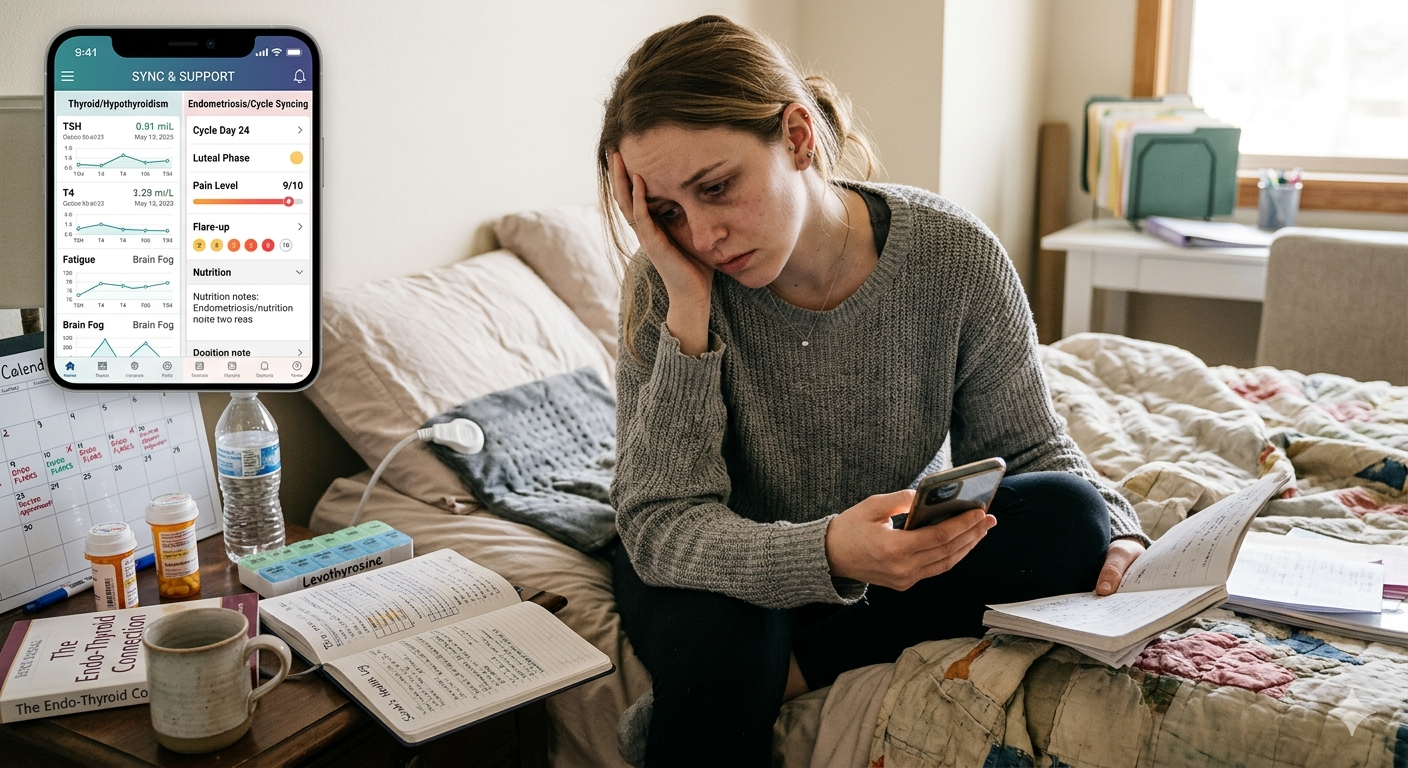
She has official diagnoses for both endometriosis and hypothyroidism. She is exhausted by tracking her symptoms across seperate disconnected apps.
The Overwhelmed Symbiont
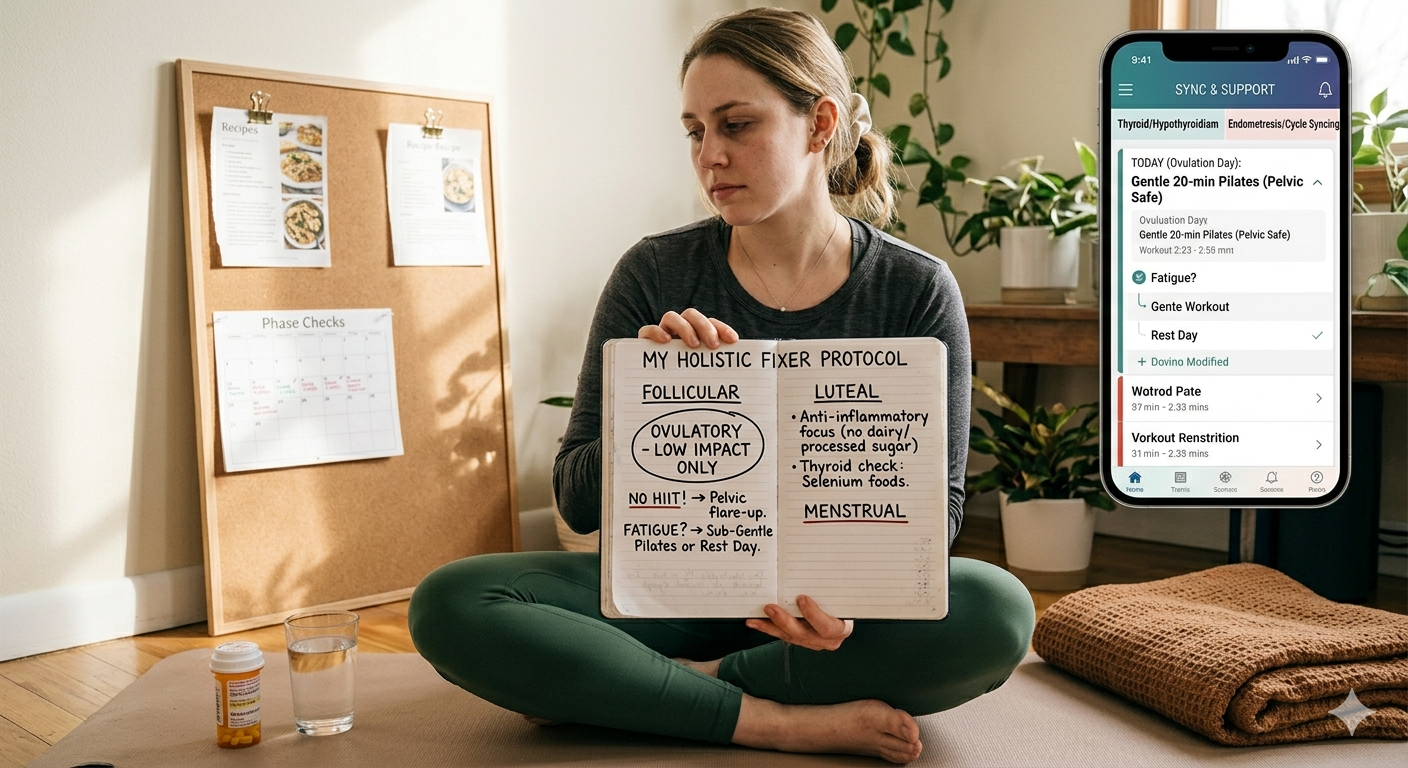
She has realized that standard cycle-syncing advice (like doing high-intensity workouts during her ovulatory phase) actually triggers a massive flare-up or severe fatigue because of her medical conditions.
The Holistic Fixer
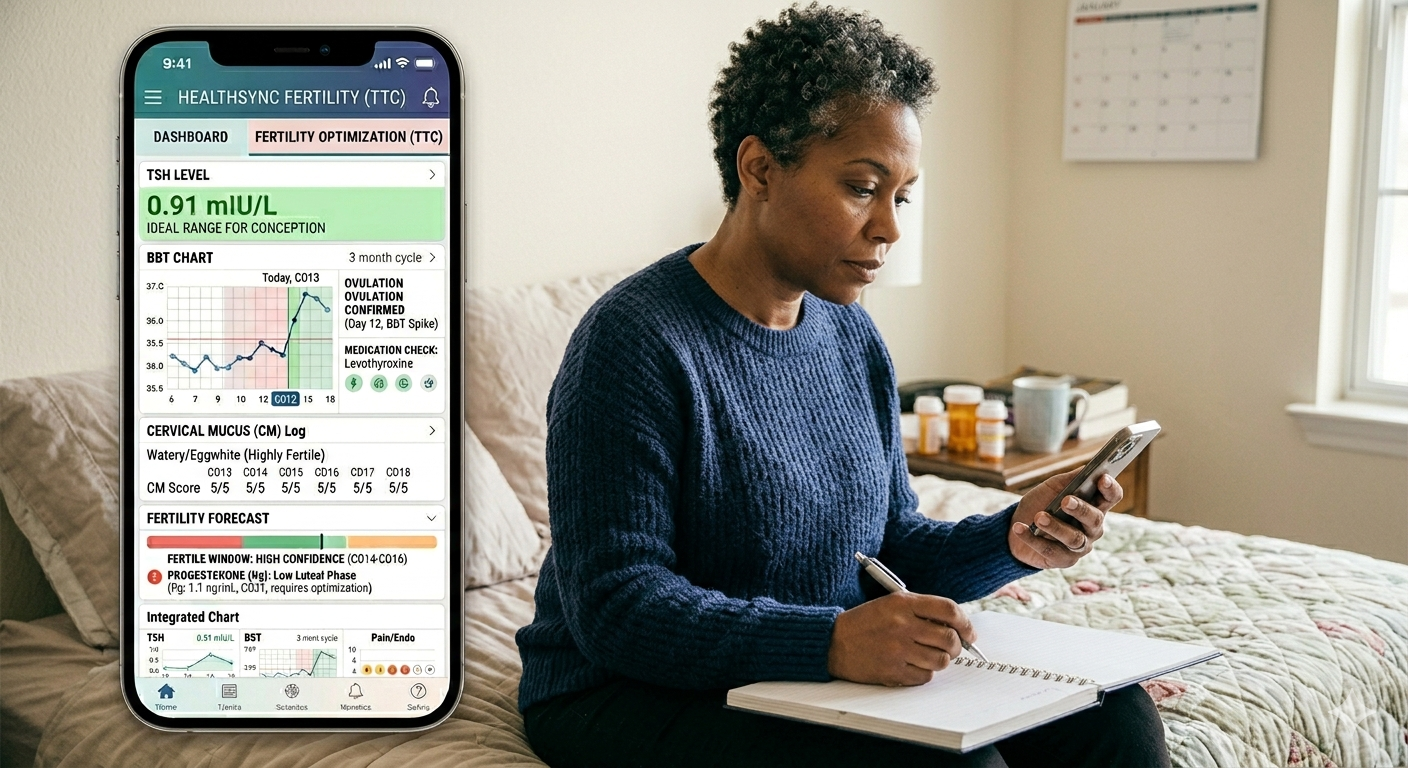
Fertility Seeker
Hypothyroidism disrupts ovulation, and endometriosis physically and chemically alters the pelvic environment. Women trying to conceive (TTC) with this dual diagnosis face an uphill battle.
Secondary:
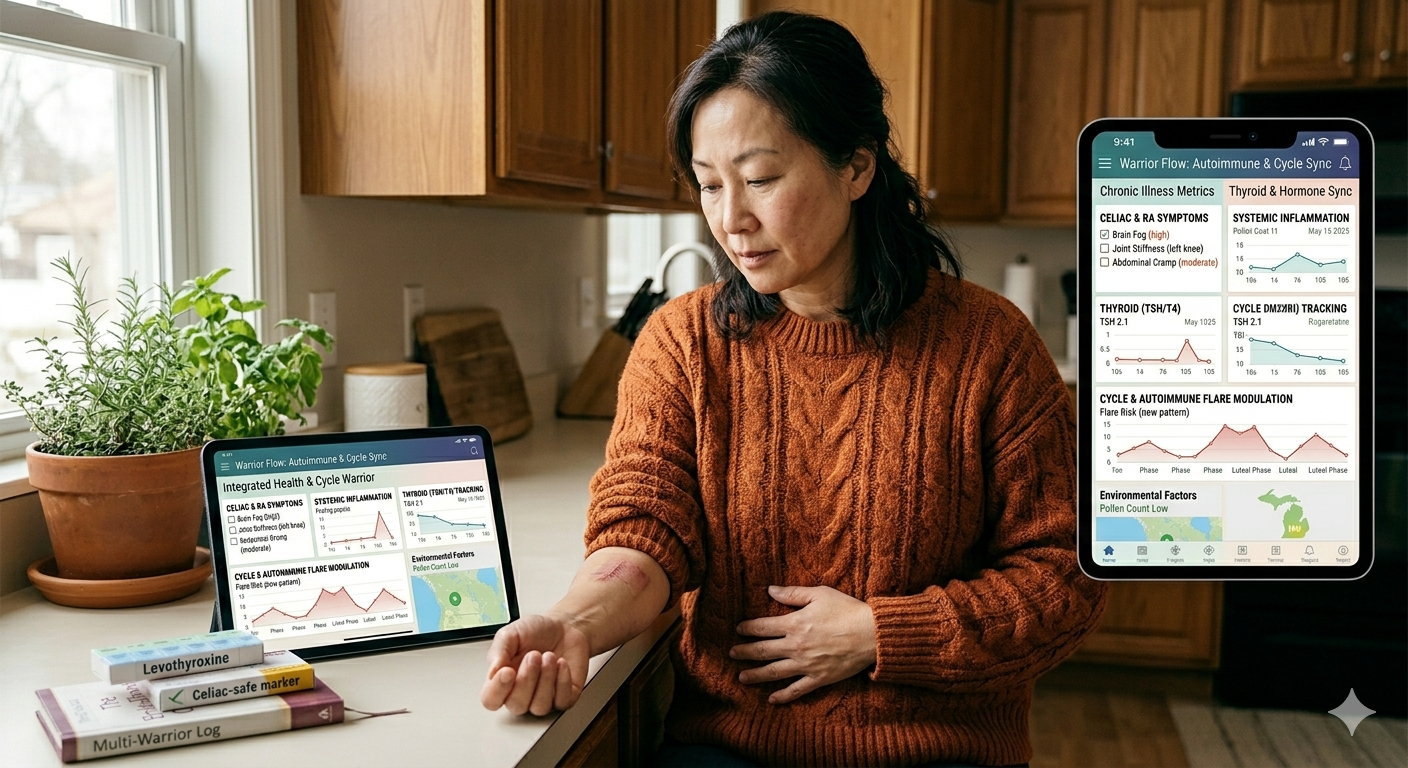
The Autoimmune Warrior
Women who experience severe systemic inflammation, joint pain, and chronic fatigue that fluctuate wildly depending on where they are in their menstrual cycle.
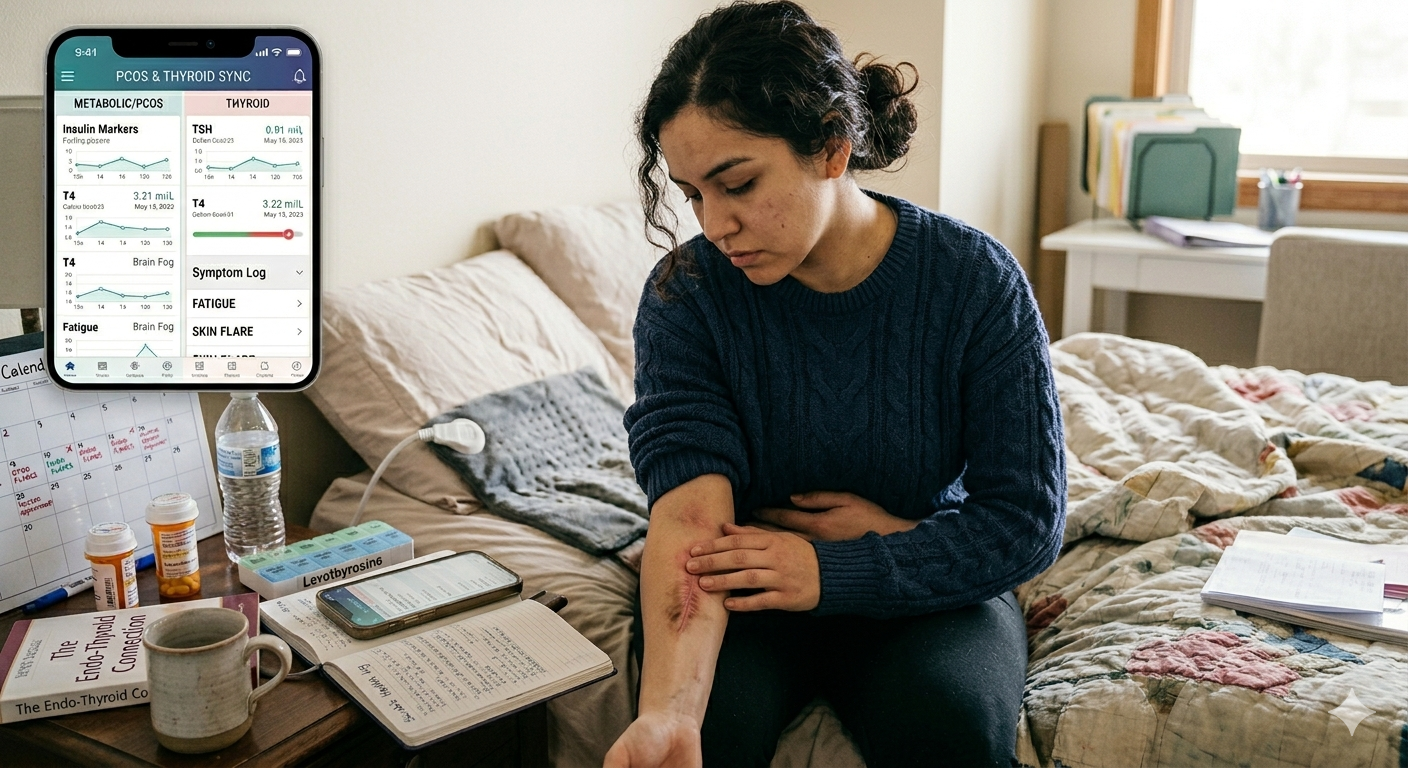
The PCOS-Thyroid Cross-Over
Women struggling with insulin resistance, irregular or missing periods, weight gain, and systemic fatigue.

Functional medicine physicians, naturopaths, acupuncturists, and holistic health coaches.
Holistic Practitioners ( Doctors)
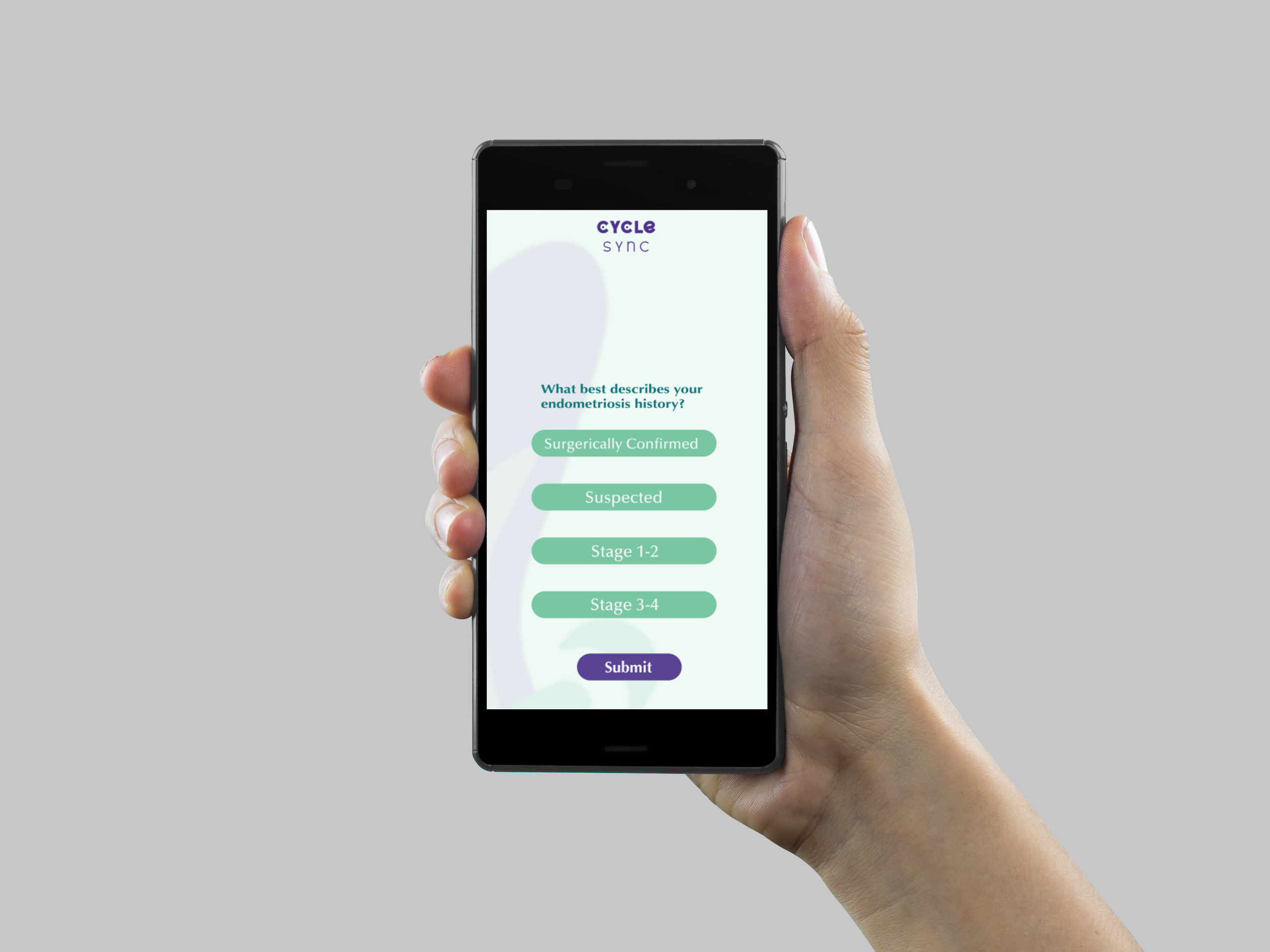
User Personas

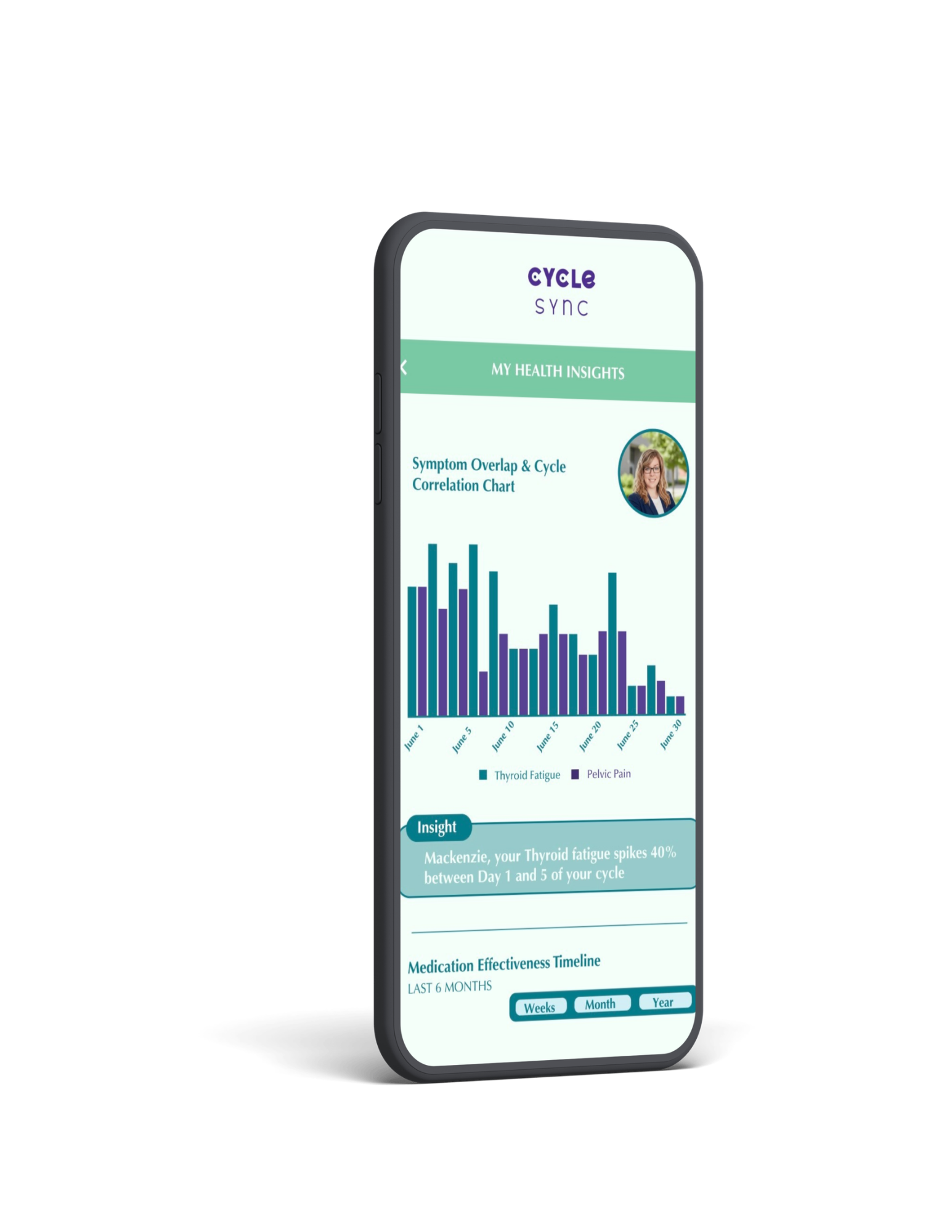
Bio: Mackenzie was diagnosed with Hashimoto’s Hypothyroidism two years ago and is currently suspecting she has Endometriosis due to worsening pelvic pain during ovulation. She takes Levothyroxine daily but struggles to figure out if her constant afternoon fatigue is a thyroid hormone crash or a reproductive cycle flare.
Core Goals:
To find a clear, predictable pattern between her daily energy levels and her shifting menstrual phases.
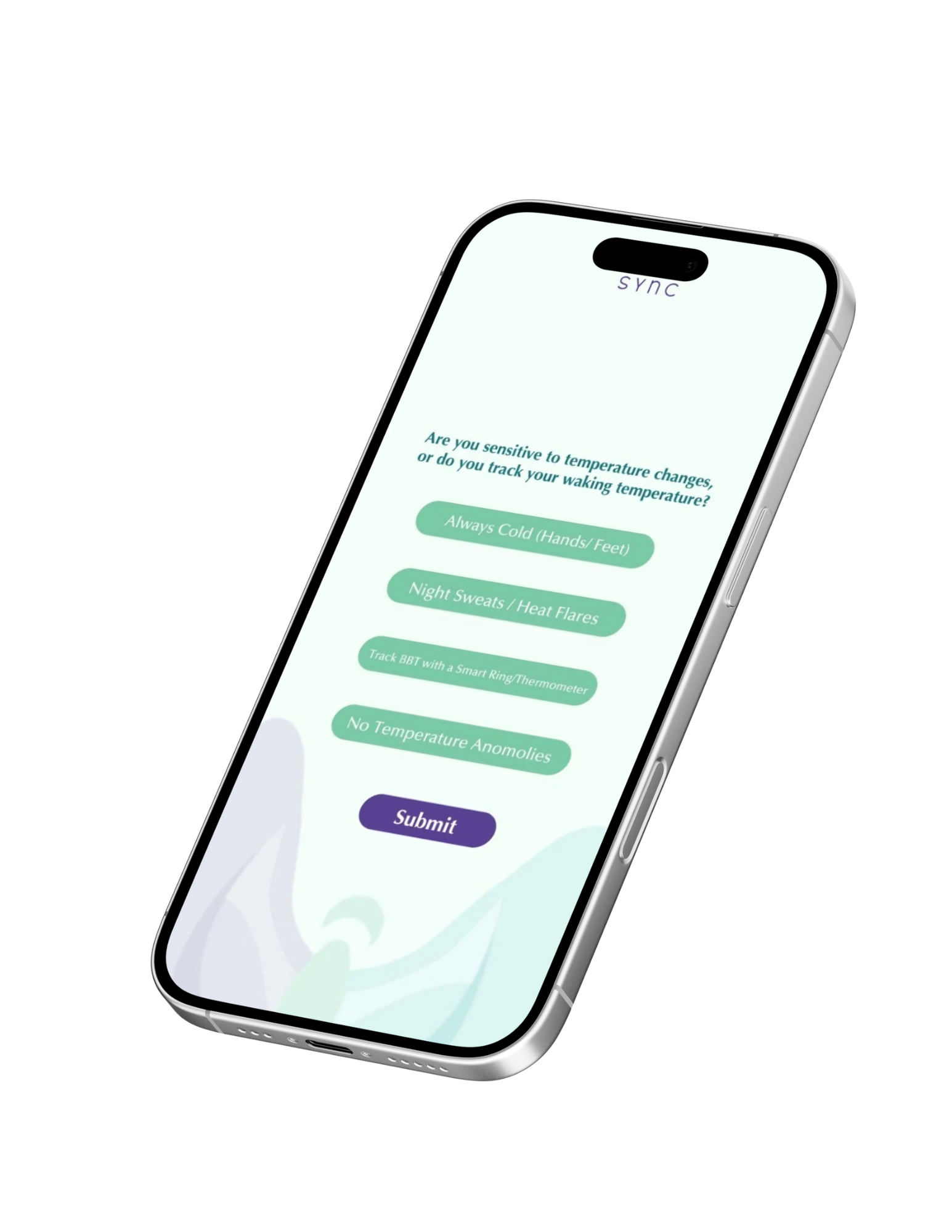
To track her waking Basal Body Temperature (BBT) without her hypothyroid cold-intolerance throwing off the data context.
Frustrations:
She currently has to jump between a clinical health portal (for lab blood work) and a basic period tracking app that only cares about her flow.
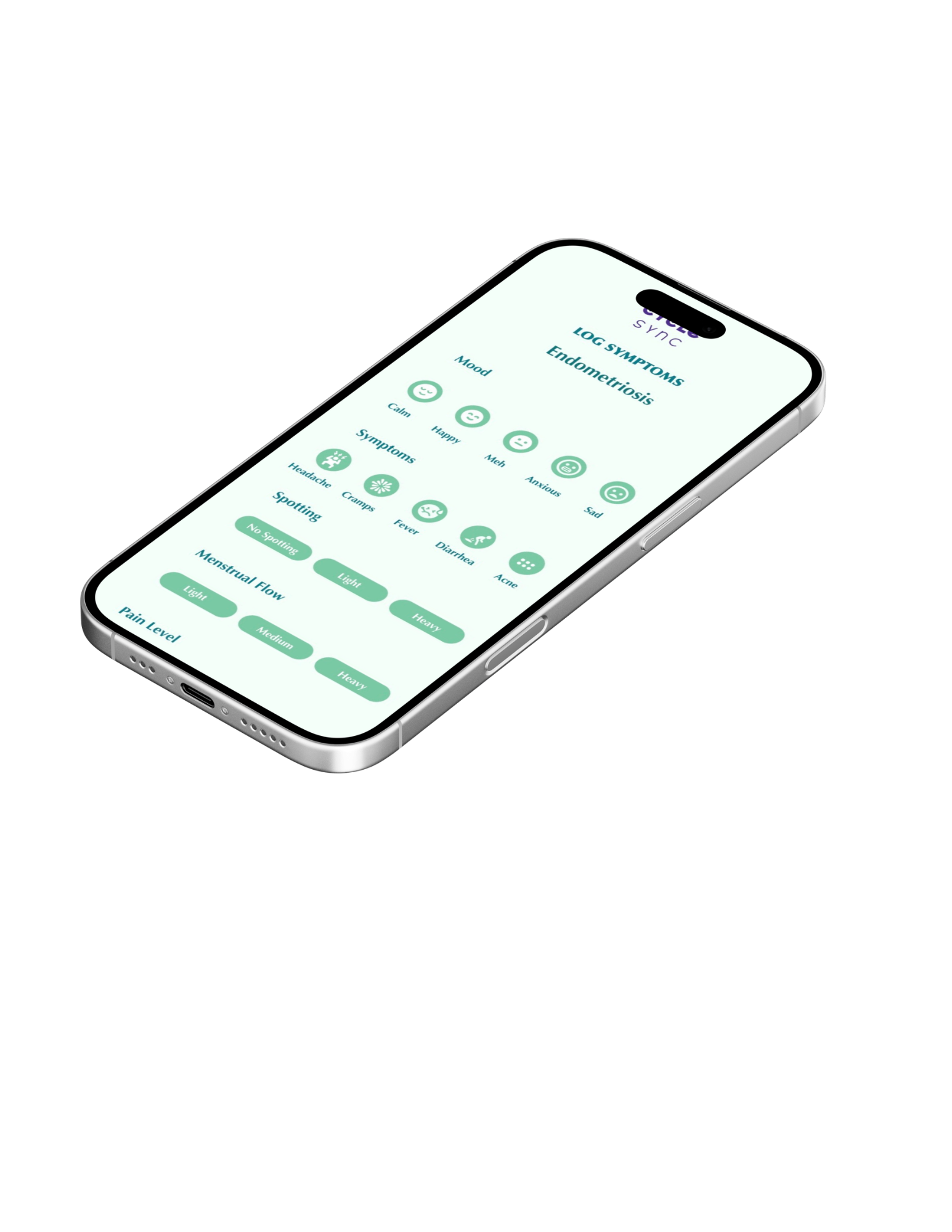
"Brain fog" makes typing out long text entries during a symptom flare impossible.
Meet MacKenzie, 28

Meet Chloe, 34
Bio: Chloe is a veteran of chronic illness. She has surgically confirmed Stage 3 Endometriosis (post-excision surgery) and manages concurrent Hypothyroidism. She uses continuous hormonal suppression (a progesterone-only pill) to stop her periods and prevent endo tissue regrowth.
Core Goals:
To monitor for localized nerve pain flares (sciatica, deep pelvic aching) and bowel involvement.
To compile pristine, ultra-dense medical data to bring to her quarterly endocrinology and gynecology check-ins.
Frustrations:
Standard cycle syncing apps are entirely useless to her because she doesn't have a traditional period due to her suppression medication.
Doctors often dismiss her symptoms because she cannot cleanly articulate when or how frequently her pain peaks occur.
Designing for co-occurring chronic illnesses requires flexible architecture. I intentionally built two contrasting personas to test the edge-cases of the UI: Mackenzie represents the traditional, cycle-syncing user managing fluctuating phases, while Chloe represents the amenorrheic (non-bleeding) surgical user on hormonal suppression. By validating my layout designs against both profiles, I ensured the application remains a vital clinical utility regardless of where a patient sits on their treatment timeline.
Visual Guide

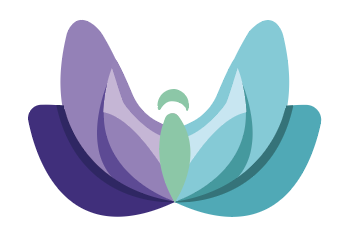
Logo Breakdown
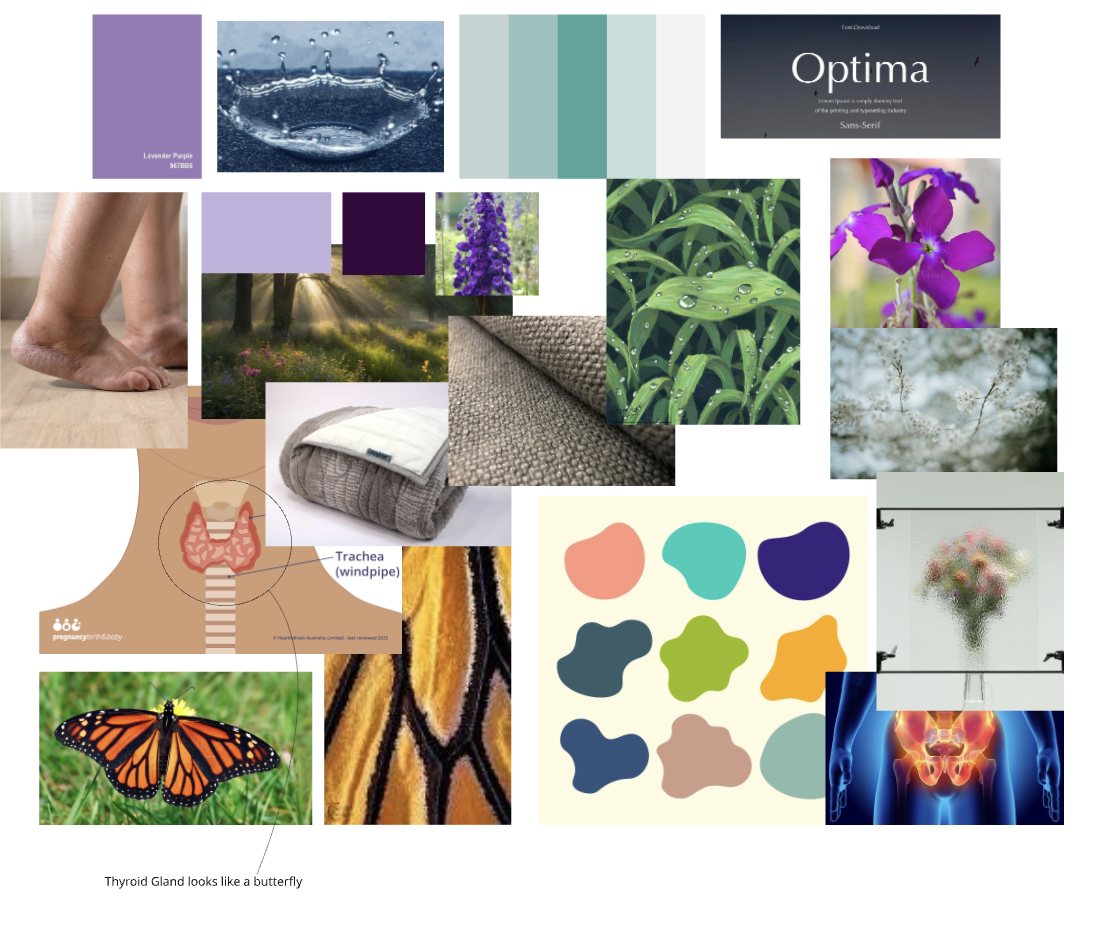
The Core Silhouette (Thyroid Anatomy): The overall logo forms a butterfly, directly mirroring the natural anatomical shape of the thyroid gland to symbolize thyroid health and hypothyroidism awareness.
The Interlocking Layers (Endometriosis Resilience): Seamlessly woven into the butterfly wings is a blooming lotus flower; its tiered, overlapping petals represent reproductive health and the layer-by-layer resilience required to navigate chronic pain and endometriosis.
The Central Axis (Cycle Syncing): Crowning the central green core is a subtle crescent moon, a universal emblem for menstrual phases that anchors the app’s purpose of intuitive tracking and alignment with internal biological rhythms.
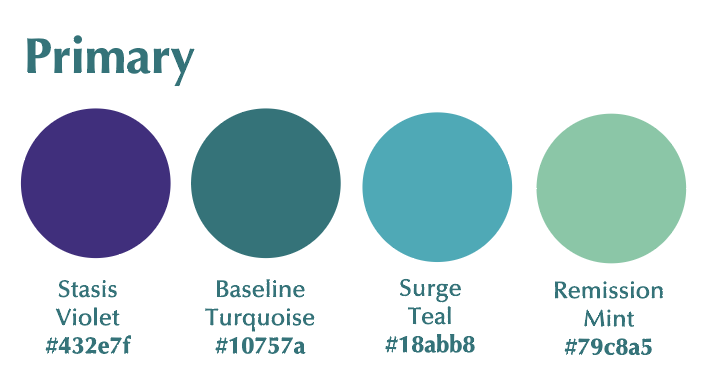
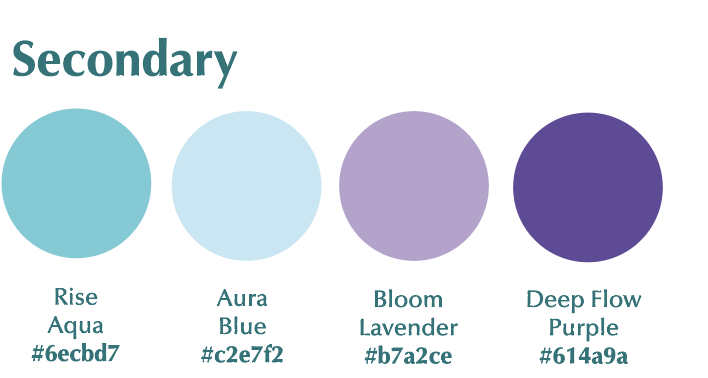
The Strategic Palette (Medical Advocacy): The color choices combine clinical teals and light blues (the global colors for thyroid disease awareness) with deep purples (the awareness color for chronic pain and gynecological health), softened by an organic mint green to create an approachable, premium wellness aesthetic.